

General articles, Reels, Thomas Turner blog
Army & Navy Co-operative Society tackle is often overlooked by collectors
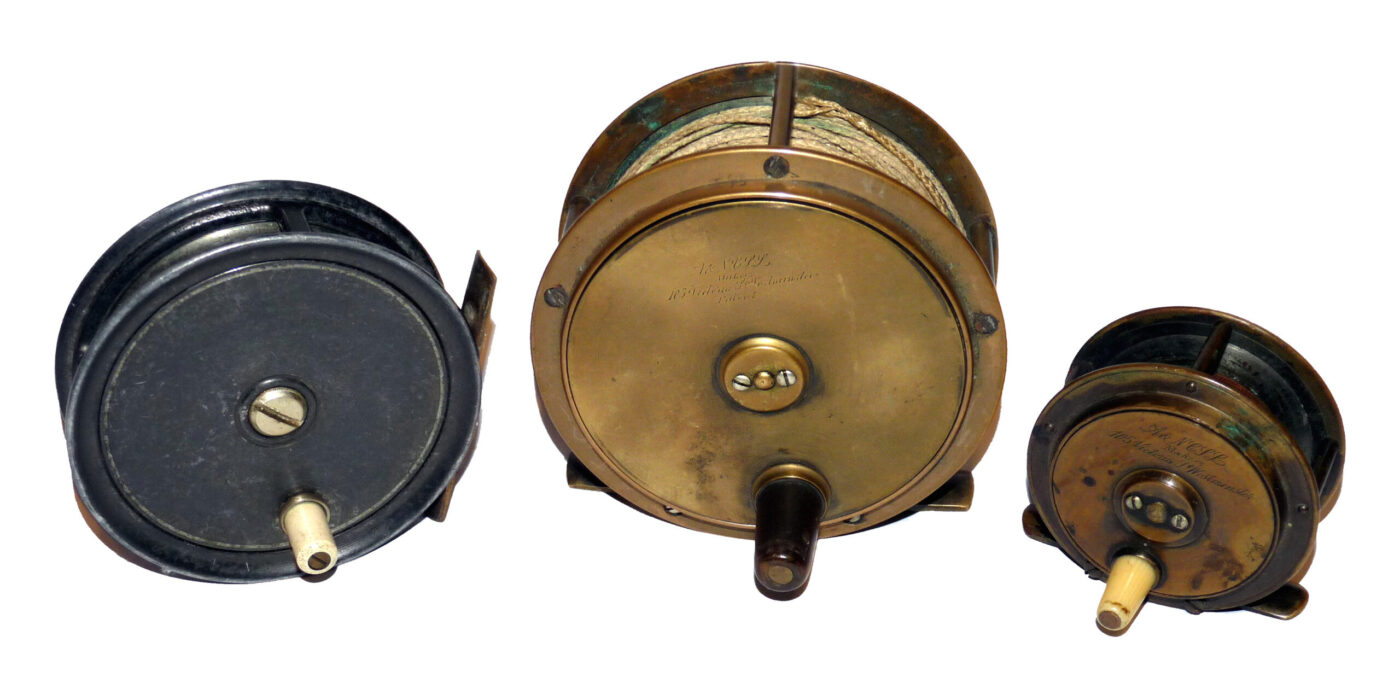
Mar
The Army & Navy Victoria London never really achieved the collectable prominence of their near neighbours Farlows and Hardy of Pall Mall, both just a stone’s throw away.
A&N CC Ltd. was incorporated on 15 September 1871, being formed by a group of Army and Navy Officers. The aim was to supply goods to its members at the lowest remunerative rates which is a business model based on two earlier models; the Civil Service Supply Association and the Civil Service Co-operative Society. They traded from leased distillery premises in Victoria Street, London which were owned by Vickers & Co.
By February 1872 they were selling groceries expanding into stationery, drapery, fancy goods, tailoring, a chemist and even a gun department.
By 1876, the business now offered a banking department to its members and had negotiated an option on the site as part of the lease deal at Victoria Street.
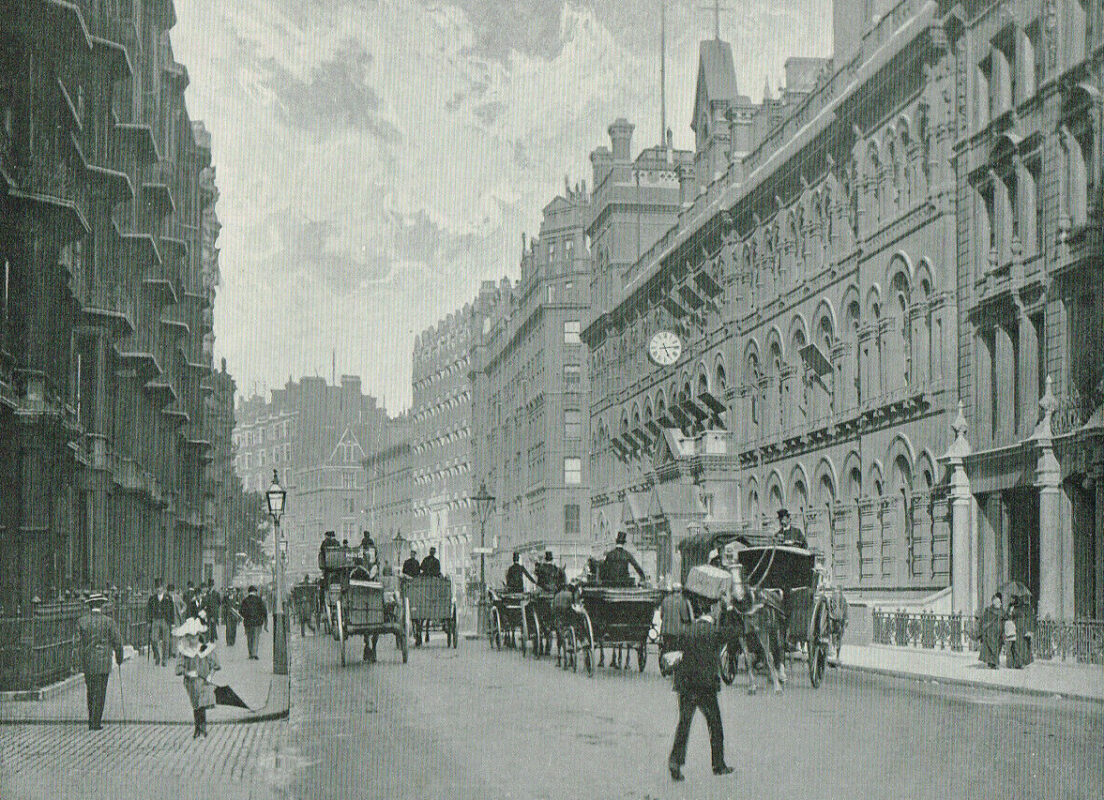
Further expansion saw them move into Europe and they established offices in Paris and Leipzig. In 1890 stores were opened in Plymouth (Navy) and Bombay; while in 1891 a further store was opened in Karachi. The Indian adventure continued with stores opening in Calcutta in 1900, while stores in New Delhi, Shimla and Ranchi were opened in the 1930s. The store front buildings were impressive, and the operating costs must have been colossal.
As the military embedded itself into the four corners of the world the Army in particular was well represented in India, home of the great mahseer and trout fishing rivers. Colonial business soared with sales of clothing, transport and equipment both sporting and military being a major part of the growth. This is where the fishing tackle department came to the fore.
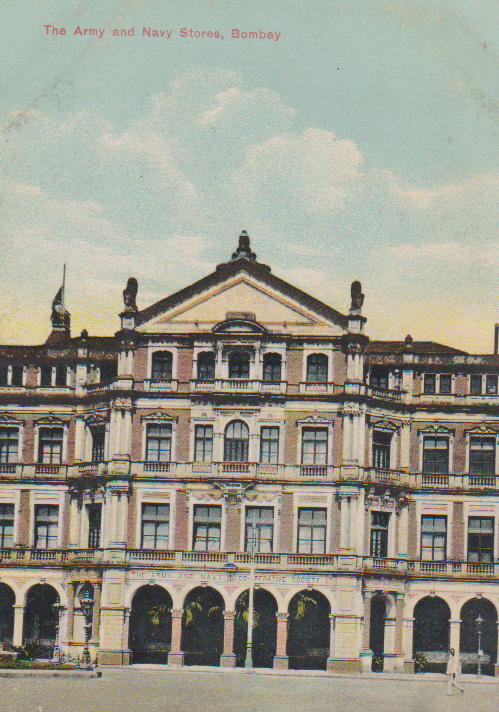
Officers travelling the world would often be accompanied by large trunks and rod boxes stuffed with fishing tackle allowing some sporting relief from the rigours of war. The Army and Navy foreign department stores were ready to replenish and equip any angler, providing tackle, accessories and local guide knowledge. They had competition as both Hardy and Farlows deemed these countries important trading posts too.
Both World Wars took their toll on the Army & Navy buildings, bombing raids damaging some and completely demolishing others but they continued trading through the adversity.
In my experience most of the tackle is fly fishing based, especially in the pre 1900 era. Many exquisite brass and ebonite reels are to be found at what I consider a bargain price. Trout, salmon and mahseer models appear with matching rods and fly boxes etc.
Its unlikely Army & Navy cast and manufactured reels themselves. They certainly had reels made for them by Heaton’s of Birmingham and possibly other companies such as Farlows, Malloch and Heaton’s made trade reels which were then stamped or engraved with the retailer’s name. A common practice around the turn of the 1900s and explains why many of the patterns seem oddly familiar.
There is a lot to be said for starting to collect this makers tackle. A historic and important player in the London and international tackle scene I can’t remember seeing a poor-quality piece of tackle.
I have taken a few examples out of our stock to show the diverse range available and hope this article encourages you to think past Hardy and Farlows and build a representative selection of their wares.
